

STEP 1
PROJECT PLANNING

FEASIBILITY
The objectives of this stage are to define the business objectives, identify potential alternatives and establish next steps and resources needed to be able to continue with the concept stage.
CONCEPT
This stage referred primarily with definition of project scope, evaluation of alternatives, verification of the business plan and estimation of the project cost.
STEP 2
PROJECT PLANNING

STEP 3
PROJECT PLANNING

DETAILED SCOPE
The main objectives of this stage are to clearly finalize the project’s benefits, establish the design basis and the execution schedule with any consideration on it.
DESIGN
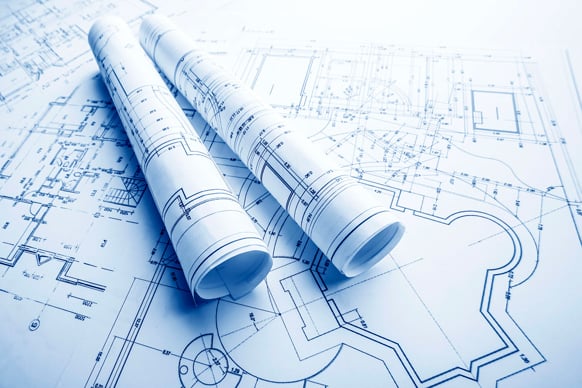
The design stage defines the baseline of the project scope with all drawings needed for the construction stage, it triggers also the procurement process, the project cost it’s reviewed and updated and project schedule is developed in detailed.
STEP 4
PROJECT EXECUTION
STEP 5
PROJECT EXECUTION

CONSTRUCTION
In the construction phase, the focus is on execution according to the detailed execution plan prepared in advance. The progress is continuously monitored and adjusted to complete the project on time.
STARTUP & OPERATION
On this stage the team focused on commissioning the unit to deliver the project as per the defined scope up to the operational conditions to support the handover to operations.
STEP 6
PROJECT EXECUTION

SUPPORTING PROCESSES
PROCESS SAFETY MANAGEMENT
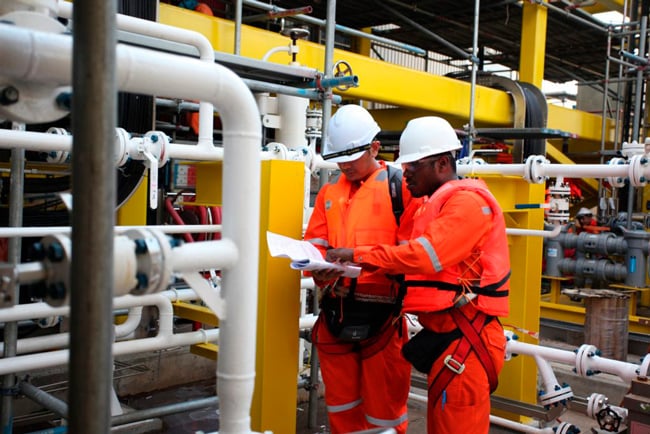
Early implementation of Health, Safety and Environmental (HSE) principles is essential to the success of the project.
KEY HSE ACTIVITIES INCLUDE:
- Conduct an HSE analysis.
- Develop a project HSE management plan.
- Create a project design basis that includes HSE elements.
- Perform Process Hazard Analysis, including an inherent safer process review.
- Develop the conceptual design of fire-protection systems.
- Incorporate HSE into equipment layout and facility design decisions.
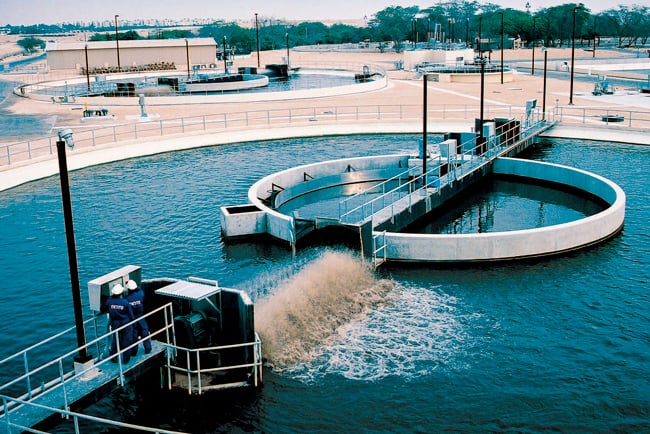
WASTEWATER MANAGEMENT
- Assessment of current operation and provide improvement options.
- Optimization of plant operation and cost reduction if feasible.
- Improvement of operation monitoring if required.
- If changes needed, feasibility studies and conceptual design.
- Evaluation & selection of optimal equipment
- Basic/detailed engineering for new installations/projects.
- Set and monitor safety standards for contractors during project work.

 331-114-6215